
Concrete Coring & Core Drilling Services
Clean Diamond Core Holes for Plumbing, HVAC & Electrical
CanaCore coordinates verified core drilling operators for clean core holes — roughly 1" to 60" in diameter — for plumbing, HVAC, and electrical penetrations through concrete and masonry, with CanaCore field supervision.
What Is Concrete Coring?
Concrete coring (also called core drilling) creates precise circular holes through concrete slabs, walls, and foundations using diamond-tipped core bits. This specialized process allows plumbers, electricians, and HVAC contractors to route pipes, ducts, and conduits through concrete without jackhammering or causing structural damage. Professional coring uses water-cooled diamond bits mounted on specialized rigs for clean, accurate holes with smooth edges. Unlike drilling small holes or rough openings, coring produces perfectly round penetrations from 1 inch to 5 feet in diameter.
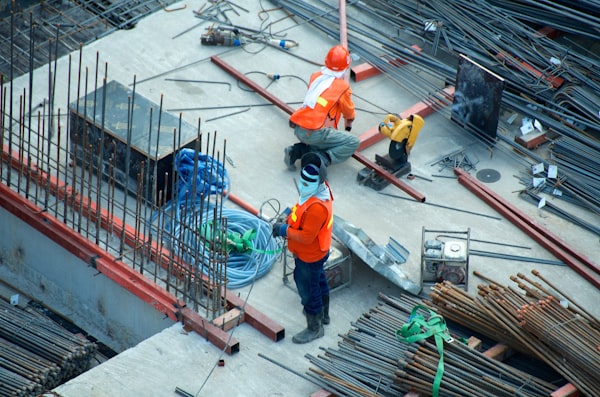
Clean, precise holes
Core Drilling Applications
Precision holes for every utility and structural need

Plumbing Penetrations
Core holes through concrete slabs and walls for drain pipes, water lines, and vents.

HVAC Duct Openings
Large diameter cores for heating, cooling, and ventilation ductwork.

Electrical Conduit
Precision holes for electrical conduits, cables, and panel access.
Concrete Testing Cores
Extract core samples for structural analysis and strength testing.

Floor Drain Installation
Core through basement slabs for new floor drains and sump pump installations.

Anchor Bolt Holes
Precision holes for structural anchors, equipment mounting, and fastening systems.
Our Step-by-Step Process
From layout to clean, finished holes
Location Assessment
1-2 hoursVerify core locations, check for embedded utilities, and mark drilling points.
Equipment Setup
1 hourPosition core drill rig, set up water supply for cooling, and prepare containment.
Safety Preparation
30 minsSet up barriers, ensure proper ventilation, and verify utility clearances.
Core Drilling
1-3 hoursExecute precision drilling with diamond core bits and water cooling system.
Core Extraction
30 minsRemove concrete core plug and verify hole dimensions and alignment.
Cleanup & Verification
1 hourClean water and debris, verify hole meets specifications, and restore area.
Professional Core Drilling Equipment
Industrial tools for fast, accurate concrete penetrations
Diamond Core Drills
1" to 60" diameter hole drilling
Anchor Systems
Secure mounting on any surface
Water Recycling
Dust suppression and blade cooling
Vacuum Systems
Water and debris extraction
Scanning Equipment
Locate rebar and utilities
Safety Gear
Eye, hearing, and respiratory protection
Accuracy & Safety Standards
Every hole drilled to exact specifications
Precision Standards
- Accurate hole placement
- Specified diameter tolerances
- Perpendicular or angled drilling
- Smooth, clean hole edges
Safety Protocols
- Utility location verification
- Proper water containment
- Electrical safety procedures
- Ventilation and dust control
Professional Service
- Certified core drilling operators
- Industrial-grade equipment
- Minimal site disruption
- CanaCore quality oversight
Related Services
Complete your project with these complementary services
“CanaCore's coring specialist drilled six 4-inch holes through our basement slab for new plumbing. The holes were perfectly placed, perfectly round, and the dust control system kept everything clean. Fast, professional, and exactly what we needed. Highly recommend!”
Need Precision Core Drilling?
Get a free quote for your coring project. CanaCore's certified operators deliver clean, accurate holes with minimal disruption.
Common questions
What is core drilling used for?
Cutting clean round holes through concrete or masonry for plumbing, ducting, electrical, dryer and HVAC vents, or floor penetrations. A diamond core barrel leaves a smooth accurate hole rather than the rough break-out you get from hammering through.
Can you core a hole through a foundation wall?
Yes — foundation penetrations for new services are a common reason to core. What is in the wall is scanned first and the outside conditions are checked, and the penetration is sealed afterward so it does not become a water or air path.
How do you avoid hitting rebar or pipes when coring?
The location is scanned before drilling to map reinforcing and any embedded services, and the hole is positioned to avoid them where possible. On a structural element, whether it is acceptable to cut through reinforcing is confirmed before the barrel goes in.
Read before you start
Practical guidance from the CanaCore Guide on this type of work.
- How Much Does Concrete Cutting Cost in Ontario?How much does concrete cutting cost in Ontario? Price factors, typical ranges, access constraints, and how to compare demolition quotes fairly.
- What Permits Are Required for Interior Demolition in Toronto?What permits are required for interior demolition in Toronto? When you need approval, application steps, and structural or plumbing triggers explained.
- How to Remove a Concrete Slab From a Basement FloorHow to remove a concrete slab from a basement floor in Ontario—thickness, plumbing, disposal, waterproofing, and permit considerations explained.
- Concrete Cutting vs Concrete Breaking: What's the Difference?Concrete cutting vs concrete breaking—which method fits your project? Compare precision, dust, vibration, cost, and Ontario renovation use cases.